Startups
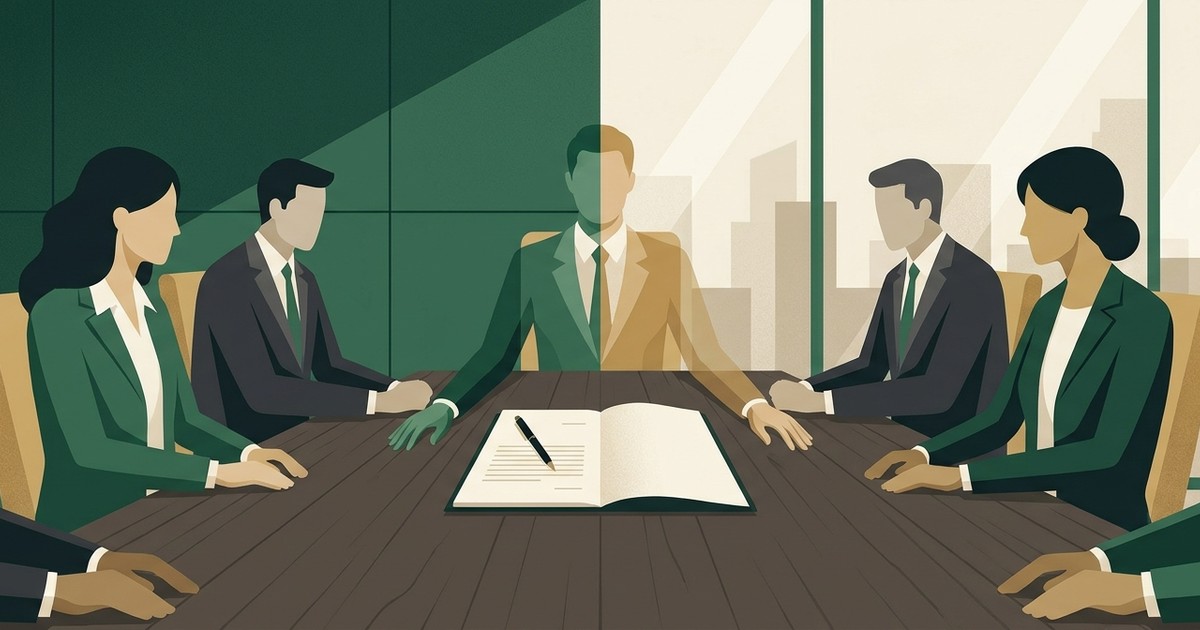
Startups transact with their own directors constantly. A founder lends the company money to cover payroll. The company licenses software from a founder’s previous venture. A director’s …

For most of its history, work health and safety law was about things that crush, cut and electrocute. Startups could be forgiven for treating it as someone else’s problem — no forklifts, no …

One of the quieter features of the Australian proprietary company is how little the public record says about who actually owns it. ASIC’s register shows the legal shareholders and flags whether …

Ask a founder why they incorporated and you’ll usually get some version of the same answer: so that if the startup fails, it takes the company down and not the house. That instinct is legally …

Two founders, 50/50. It feels fair on day one — and it is, right up until the first decision you genuinely disagree on. A company split down the middle has no majority, which means no mechanism for …

Every equity round sells a slice of the company. Venture debt exists because sometimes the thing you need — six more months of runway, working capital for a hardware build, cash to bridge to a …